Ohuub
 The Impact of Inflation on American Family EconomyInflation significantly affects American family economies, driving up costs of essentials like food and housing, while wages stagnate. Families must adapt spending habits and prioritize budgeting, leading to greater reliance on discount retailers and alternative investments. Financial education is vital for resilience in this challenging economic landscape.
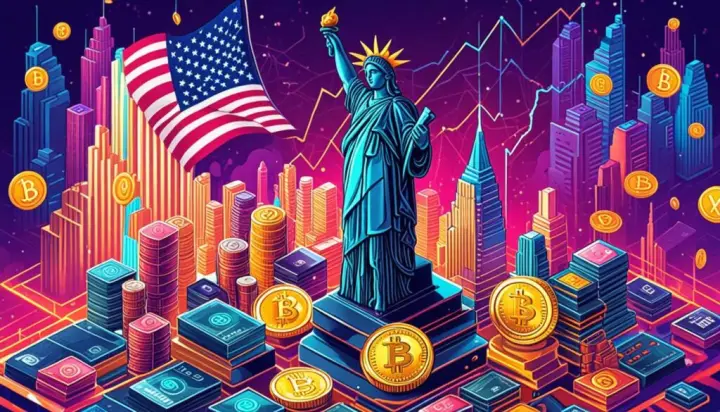 The Role of Cryptocurrencies in the Modernization of the Financial System of the USACryptocurrencies are transforming the U.S. financial system by enhancing decentralization, accessibility, and efficiency in transactions. They empower individuals, democratize investment opportunities, and introduce innovative technologies like smart contracts. As regulatory frameworks evolve, these digital assets promise a more inclusive and modern economic landscape for all Americans.
 Trends in Sustainable Investment and Their Impact on the US EconomyThe investment landscape is shifting toward sustainability, emphasizing ESG criteria, impact investing, and transparency. This trend fosters economic growth through innovation and job creation in sectors like renewable energy, while aligning financial returns with ethical considerations. Sustainable investment is transforming the U.S. economy, promoting resilience and equity.
 Infrastructure Financing and Its Role in Stimulating Economic GrowthInfrastructure financing is essential for economic growth, facilitating investments in transportation, utilities, and digital systems. By improving infrastructure, economies enhance productivity, create jobs, and promote innovation. Strategic funding models, including public-private partnerships, enable sustainable development, ultimately driving long-term economic resilience and boosting…
 The Best Credit Cards to Build Credit in the USACredit cards are pivotal for establishing and enhancing credit scores in the USA. By choosing the right card—such as secured, student, or rewards-focused options—individuals can create a solid credit history, improve credit utilization, and benefit from attractive incentives while building their financial future responsibly.
 The Role of Credit Cards in Managing Financial EmergenciesCredit cards play a vital role in managing financial emergencies by providing immediate access to funds, flexible payment options, and potential rewards. When used responsibly, they can alleviate financial stress while also building credit. Understanding and strategizing credit card use enhances financial security and promotes overall economic stability in uncertain times.
 Impact of Credit Cards on Credit Score: What You Need to KnowUnderstanding the impact of credit cards on your credit score is essential for financial stability. Timely payments, low credit utilization, and strategic account management can enhance your score, unlocking better loan terms and interest rates. Proactive credit management empowers you to leverage credit cards for long-term financial success.
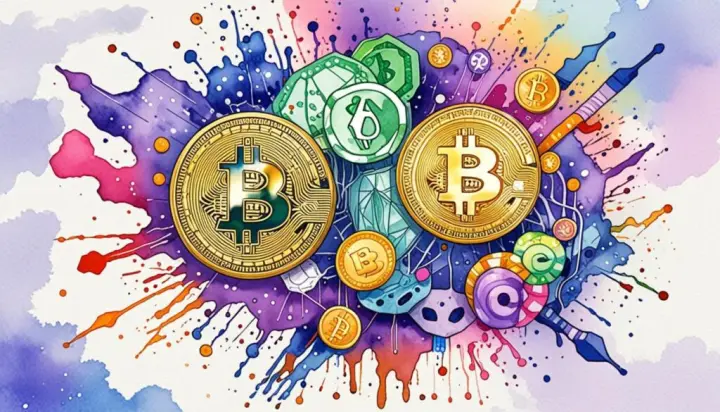 Cryptocurrencies and the Evolution of the Financial Market: What to Expect in the Coming YearsThe financial market is rapidly evolving due to the mainstream adoption of cryptocurrencies, decentralization through DeFi, and increasing regulatory scrutiny. As digital currencies gain traction, they reshape transaction efficiency, enhance financial inclusion, and attract institutional investments, paving the way for innovative opportunities and transformative changes in global finance.
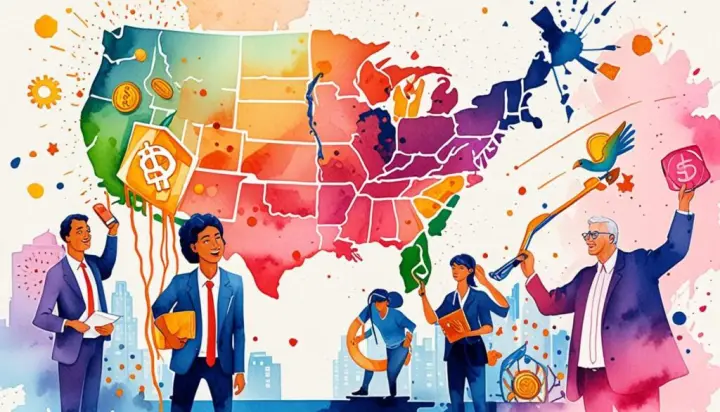 The Impact of Fintechs on Financial Inclusion in the USAThe rise of fintech in the USA is transforming financial inclusion by lowering entry barriers, enhancing mobile access, and providing micro-lending options. These innovative companies empower underserved communities with essential financial services, reshape credit assessments, and support small businesses, promoting economic growth and greater access to capital for all.
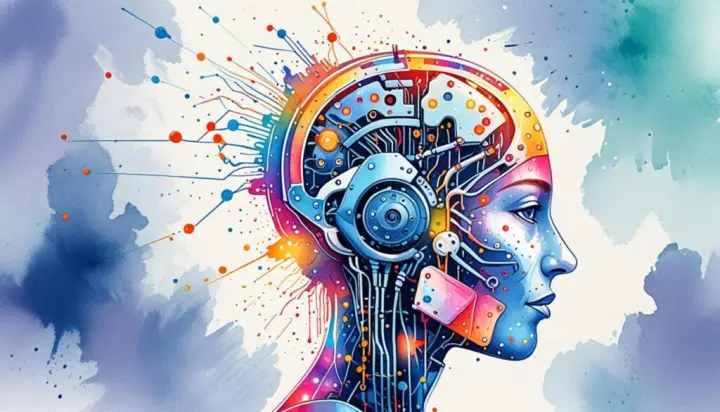 How Artificial Intelligence Is Transforming the Banking SectorArtificial Intelligence is revolutionizing the banking sector by enhancing fraud detection, personalizing customer experiences, improving risk management, and driving operational efficiency. As banks adopt AI technologies, they gain data-driven insights that foster informed decision-making, ultimately reshaping financial services and promoting greater accessibility in an evolving digital economy.