The Effect of Inflation on Consumer Purchase Decisions
Inflation significantly impacts consumer purchase decisions, altering spending priorities towards essential items while reducing brand loyalty. Heightened anxiety over financial stability encourages cost-saving behaviors, such as switching to budget-friendly alternatives. As consumers adapt to rising prices, their evolving habits drive market trends and emphasize the need for informed financial…
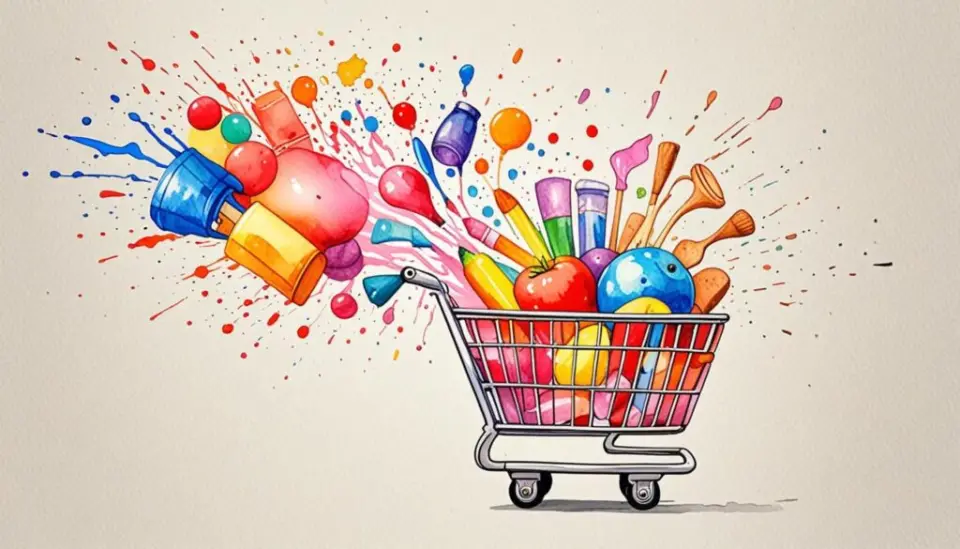
Inflation’s Toll on Consumer Behavior
In an economic landscape characterized by fluctuating prices, consumers are often faced with challenging decisions that affect their daily lives. As the inflation rate climbs, the purchasing power of money diminishes, making it increasingly difficult for shoppers to maintain their usual spending habits. This shift compels individuals to reassess their financial priorities and adapt their buying patterns accordingly.
To illustrate the implications of this scenario:
- Essential Items vs. Luxuries: When budgets become tighter, consumers typically place greater emphasis on necessities. Essentials such as groceries, household supplies, and gasoline take precedence, often leading to the postponement or cancellation of purchases related to luxury items or non-essential services. For example, instead of dining out at a restaurant, families may turn to meal preparation at home, significantly altering their spending behavior.
- Brand Loyalty: Rising costs may also create a dynamic shift in consumer brand preferences. As shoppers seek ways to stretch their dollars further, brand loyalty can wane in favor of more economical or store-brand alternatives. This trend is evident in grocery stores where consumers may opt for generic products rather than name-brand items, yielding significant savings in their shopping carts.
- Future Spending: Heightened uncertainty regarding future price movements often leads consumers to adopt a cautious approach to spending. This “wait-and-see” attitude can result in delayed purchases, particularly for high-ticket items like electronics or appliances. For instance, potential buyers of cars may choose to wait for signs of price stabilization, which can ultimately influence the automotive market’s overall demand.
Research has shown that even a slight increase in inflation can spur notable behavioral shifts among consumers. For instance:
- A 2% rise in annual inflation is often sufficient to alter consumer sentiment, prompting individuals to tighten their belts and reconsider their spending strategies.
- A 5% increase generally leads to more immediate and drastic changes in consumer purchasing behavior, as many adapt to the new economic state.
- A rise in interest rates frequently accompanies inflation increases, subsequently affecting consumer credit decisions. Higher interest rates can discourage borrowing and spending, leading to a potential slowdown in economic growth.
These changing behaviors do not merely reshape individual purchasing habits; they also ripple across the broader economic landscape, influencing market trends and business strategies. Understanding these dynamics not only sheds light on how inflation can impact everyday finances but also equips consumers with the knowledge necessary to navigate such turbulent economic waters successfully. By staying informed about how inflation affects spending, individuals can make strategic decisions that better align with their financial goals and well-being.
DISCOVER MORE: Click here for detailed application steps
Prioritizing Purchases in a High-Inflation Environment
As inflation escalates and prices soar, consumers are instantly compelled to rethink their purchasing priorities. The tangible effects of inflation manifest in various ways, largely driven by the essential nature of goods versus the allure of frivolous spending. This section offers insight into how inflation curates a new shopping hierarchy for many Americans.
Firstly, the emphasis on necessities versus luxuries cannot be overstated. Critical household expenditures typically include groceries, utilities, and transportation. For instance, as the cost of staple items like milk, bread, and eggs rise, families may find themselves diverting their budget primarily towards these essentials, effectively sidelining purchases such as expensive electronics or gourmet foods. Recent surveys indicate that over 65% of consumers have cut back on non-essential spending in response to price increases, demonstrating a significant shift in consumer priorities.
- Grocery Shopping: Shoppers are seeking cost-saving strategies, with many opting for bulk buying or meal prepping to avoid continual trips to the store. This approach not only minimizes expenses but also helps manage time effectively.
- Smart Substitution: Consumers often gravitate toward smaller brands or generic alternatives known for providing similar quality at a lower price point. This brand-switching behavior underscores the necessity to remain budget-conscious without sacrificing quality.
- Seasonal Purchases: Seasonal trends may also be affected as people delay buying holiday gifts or new clothing until discounts are more favorable. Retailers must adapt to this shift, employing strategies such as sales events to coax consumers back into spending.
Another notable impact of inflation is felt through brand loyalty. In times of economic distress, many consumers are willing to compromise their preferred brands for more affordable options. This dynamic is transforming how companies market their offerings, often leading to a surge in promotions, discounts, and value-pack deals as retailers work to capture the frugal consumer. For instance, brand-switching data reveals that during periods of heightened inflation, the top few names in various product categories experience a drop of at least 15% in market share, as consumers reallocate their preference to budget-friendly alternatives.
Furthermore, the lingering uncertainty of rising prices breeds a culture of hesitance in consumption. The inclination to postpone significant purchases is particularly pronounced among items susceptible to price fluctuations. For example, large investments such as new cars or appliances witness stark declines in sales, as prospective buyers hold back, anticipating a potential decline in prices. Studies indicate that when inflation expectations rise, approximately 50% of consumers express a tendency to delay major purchases, thus having a cascading effect on industries reliant on consumer spending.
In navigating these tumultuous times, understanding the dynamics of inflation and its effects on consumer behavior can illuminate pathways for making informed financial decisions. By recognizing the necessity to prioritize spending and shift brand loyalties, consumers can better adapt to an economic environment no longer characterized by stability, but rather by informed choices and strategic budgeting.
DISCOVER MORE: Click here to find out how to apply
Consumer Sentiment and Decision-Making in Inflationary Times
Inflation extends beyond mere numbers on a price tag; it profoundly influences consumer sentiment and decision-making processes. As uncertainty reigns, consumers grapple with a plethora of emotional and cognitive responses that further complicate their purchasing habits. This section dives into how inflation shapes consumer outlooks and behaviors in the marketplace.
The rise of consumer anxiety regarding future financial stability is palpable in an inflationary climate. A significant portion of the population—approximately 60% based on recent surveys—expresses concern that soaring prices will continue to erode their purchasing power. This heightened anxiety often leads to altered spending behavior, with consumers adopting a more conservative approach. For instance, the emotional weight of escalating prices drives many to reconsider discretionary spending, particularly in sectors like travel and entertainment, where a 20% decline in spending has been documented during inflation spikes.
- Building Financial Resilience: In response to rising costs, individuals are increasingly inclined to create emergency funds or revisit existing savings strategies. According to a recent study, approximately 45% of Americans reported prioritizing saving over additional spending, a marked shift towards financial prudence.
- Utilizing Credit Wisely: With the cost of living intensifying, many consumers may resort to credit as a buffer against immediate expenses. This approach, however, comes with its own set of concerns. An analysis has shown that many households are carrying higher credit balances, with 56% of Americans admitting to increased credit usage during periods of inflation.
- Awareness of Inflation’s Impact: A heightened awareness of personal finances encourages consumers to seek out and evaluate value-based products and services. Nearly 70% of consumers affirm they are now more diligent in comparing prices, researching products, and utilizing discounts that may have gone unnoticed pre-inflation.
Moreover, inflation cultivates an atmosphere where innovative purchasing strategies become crucial for saving. The rise of digital platforms enables consumers to take advantage of price comparisons easily and explore alternative payment methods, such as buy now, pay later services. These modern solutions offer greater budget flexibility, allowing buyers to spread the cost of higher-priced items without immediate full payments. Recent data indicates that the usage of such services has surged, with over 30% of millennials and Gen Z consumers reporting that these options have become integral to their buying decisions.
Another fascinating angle is the shift towards sustainable purchasing behavior during inflationary periods. As consumers become more selective, there is a rising inclination to invest in environmentally friendly products that promise longevity or cost-saving benefits over time. For example, sales of energy-efficient appliances and local produce have experienced growth as consumers recognize both their long-term value and the additional savings on bills, underscoring a shift towards more conscious buying habits.
In essence, consumer responses to inflation weave a complex tapestry of emotions, decisions, and behavioral adaptations. As purchasing decisions transform under the pressures of rising prices, the fabric of the marketplace evolves in tandem, reflecting the intricate relationship between consumer sentiment and economic conditions.
DISCOVER MORE: Click here to learn how to apply
Conclusion: Navigating the Inflationary Landscape
As inflation continues to reshape the economic landscape, its effects on consumer purchase decisions are profound and multifaceted. The interplay of rising prices, consumer anxiety, and shifting spending habits illustrates a dynamic where individuals adapt their financial strategies in response to perceived threats to their purchasing power. With nearly 60% of consumers voicing concerns over future financial stability, it is evident that the current economic climate prompts a reevaluation of priorities.
In particular, the fact that 45% of Americans are now prioritizing savings over spending highlights a crucial shift towards financial resilience. This emerging behavior not only underscores the need for consumers to safeguard their finances but also emphasizes a broader trend towards value-driven purchasing. With a staggering 70% of the population becoming more discerning in their buying habits, the demand for transparency and value in products will likely guide future market trends.
Moreover, the rise of innovative payment solutions, such as buy now, pay later services, coupled with an increasing preference for sustainable options, suggests that consumer attitudes may evolve into healthier financial practices and considerate consumption patterns. This presents a unique opportunity for businesses to respond to the changing landscape by aligning their offerings with the values and needs of today’s cautious shoppers.
Ultimately, as consumers navigate this inflationary environment, their evolving approaches to spending signal a transformation in marketplace dynamics. This critical juncture invites ongoing exploration into personal finance strategies, sustainable purchasing behaviors, and the long-term implications of inflation on economic growth. By staying informed and adaptable, consumers can not only withstand the pressures of inflation but also harness its impact to foster better financial habits.
 The role of financial technology (fintechs) in financial inclusion in the United States
 The importance of financial education in schools: preparing the next generation for a sustainable future
 Retirement Planning: How to Maximize Your Resources for a Comfortable Life
 Sustainable Investment Trends: The Growth of ESG Funds in the United States