The Pros and Cons of Using Credit Cards to Build Your Credit History
Credit cards can be effective tools for building credit history, offering benefits like improved credit scores and rewards. However, they also pose risks such as high-interest debt and potential overspending. Understanding these pros and cons is essential for making informed financial decisions and achieving long-term credit health.
The Dual Nature of Credit Cards in Personal Finance
Credit cards can be a double-edged sword in the world of personal finance. They serve as a powerful tool that offers convenience and flexibility but can also lead to substantial financial pitfalls if not handled with care. Therefore, understanding the nuances of credit card usage is essential for anyone looking to build a stable financial future.
Let’s explore the benefits and drawbacks of using credit cards for building credit:
- Benefits:
- Establishing credit history is essential for loans, mortgages, and more. A strong credit history demonstrates reliability to lenders, enabling access to better interest rates and terms on large loans. For example, when applying for a mortgage, a favorable credit score could save you thousands over the life of your loan.
- Responsible usage can boost your credit score over time. Payment history constitutes 35% of your credit score, meaning timely payments on your credit card can significantly enhance your score.
- Rewards and cashback programs can provide financial perks. Many credit cards offer rewards points, cashback, or even travel miles for purchases. For instance, using a rewards credit card for everyday expenses can lead to discounts on future purchases or help you save on your next vacation.
- Drawbacks:
- High-interest rates can lead to debt if not managed properly. Many credit cards have interest rates exceeding 20%, which can compound quickly if balances are not paid in full each month.
- Overspending may result in financial strain and lower credit scores. With the ease of swiping a card, it can be tempting to spend beyond your means, often resulting in overwhelming debt that becomes difficult to manage.
- Late payments have negative impacts on your credit history. A single late payment can stay on your credit report for up to seven years, significantly affecting your score and ability to secure future loans or housing.
In the United States, where credit scores play a pivotal role in financial opportunities, understanding how to strategically use credit cards is crucial. Many Americans hinge their financial journeys on credit history for essentials like buying a car or obtaining a home loan. Therefore, it would benefit consumers to educate themselves on the various credit card options available and the terms associated with them.
As you delve deeper into this subject, consider how both the advantages and pitfalls can influence your journey toward financial stability. By leveraging the benefits while being aware of the drawbacks, you can create a balanced approach to utilizing credit cards, leading to enhanced financial health over the long term.
Dive deeper: Click here to learn more
Navigating the Benefits of Credit Cards in Building Your Credit History
Credit cards, when used judiciously, can significantly enhance your credit profile. Establishing a credit history is particularly vital in today’s financial landscape, where your credit score dictates your borrowing power. Below are several significant advantages of incorporating credit cards into your financial strategy:
- Establishing Credit History – For those new to credit or looking to rebuild their score, credit cards provide an accessible entry point. Creditors like banks and mortgage lenders often look for a solid credit history that showcases responsible borrowing and repayment behavior. By maintaining a credit card account, you create a record that can be a decisive factor in securing loans for major purchases, such as a home or a car, where better credit can translate into lower interest rates.
- Boosting Credit Score – Maintaining a good credit card habit involves making timely payments. As noted earlier, your payment history constitutes a whopping 35% of your credit score calculation. Not only can each on-time payment improve your score, but using only a portion of your available credit—ideally 30% or less—can show that you are a responsible borrower and can further uplift your credit rating.
- Rewards and Benefits – Utilizing credit cards for your everyday purchases allows you to take advantage of numerous rewards programs. Many cards offer cashback on purchases, points redeemable for travel or merchandise, and perks like extended warranties on electronics. For example, using a credit card for groceries, gas, or online shopping can yield tangible financial benefits, such as a percentage back in rewards or discounts, which can lead to increased savings over time.
However, while the upsides illuminate potential pathways to financial well-being, it is crucial to juxtapose them with the inherent challenges associated with credit card use. Mismanagement can lead to detrimental consequences, exacerbating the very financial issues individuals aim to overcome. Thus, it is essential to approach credit card usage with a clear understanding of both its advantages and potential risks, ensuring responsible financial habits remain at the forefront.
Recognizing the Drawbacks of Credit Card Usage
As enticing as the benefits may seem, the challenges associated with credit cards can pose significant hurdles, particularly for those who may lack experience in financial management. Here are some of the drawbacks that deserve attention:
- High-interest Rates – One of the most glaring perils of credit cards is their often exorbitant interest rates. Many cards come with rates that can exceed 20%, leading to higher debt if balances are left unpaid. This compounding interest can trap users in a cycle of persistent debt that is hard to break.
- Potential for Overspending – The convenience of credit cards can sometimes cloud judgment, leading to impulsive spending. It’s easy to lose track of how much you’re charging to your card, which can lead to overwhelming debt and affect your credit score negatively if balances remain unpaid.
- Impact of Late Payments – Payment history is critical in determining credit scores. A single late payment can linger on your credit report for up to seven years, drastically lowering your credit score and harming your ability to obtain favorable credit terms in the future.
Understanding these drawbacks ensures that consumers can better navigate their financial landscape, minimizing potential pitfalls. By striking a balance between the benefits and the drawbacks of credit card use, individuals can pave the way toward a sound financial future, equipped with a robust credit history that opens doors to opportunities.
DISCOVER MORE: Click here to learn how technology is changing financial access
Balancing the Risks of Credit Card Use
While credit cards can serve as powerful tools for enhancing your credit history, they also harbor a range of risks that individuals must navigate carefully. Ignoring these risks could impede your financial progress rather than propel it. Here are critical factors to consider when evaluating the impact of credit cards on your credit history:
- Debt Accumulation – Credit cards offer an alluring line of credit that can quickly lead users to accumulate debt. According to recent studies, more than 40% of Americans carry credit card debt, which signals a widespread struggle with managing this financial tool. As the balance grows, so does the interest accrued, making it challenging to pay off debts over time. This reality emphasizes the importance of treating your credit card as a tool for building credit, rather than a way to fund an inflated lifestyle.
- Credit Utilization Ratio – Credit scoring models take into account the credit utilization ratio, or the percentage of your available credit that you are currently using. Ideally, keeping this ratio below 30% is recommended. However, many individuals may unwittingly exceed this threshold, particularly if multiple cards are in use. An increased utilization ratio can signal to lenders that borrowers are financially overextended, negatively affecting credit scores.
- Fees and Charges – The fine print associated with credit cards can lead to unexpected charges. Annual fees, late payment penalties, and transaction fees for cash advances can pile up and exacerbate financial strain. In fact, a Bankrate survey revealed that over 50% of credit cards charge annual fees, which can diminish the rewards associated with responsible usage. It’s vital to read the terms and conditions carefully and consider how these fees impact your financial strategy.
- Credit Inquiries – Applying for multiple credit cards in a short span can lead to several hard inquiries on your credit report. Each inquiry can lower your credit score slightly, making it crucial to limit the number of applications. While opening a new account can help diversify your credit mix, overdoing it may counteract the positive effects and further complicate your credit journey.
- Emotional Factors – The psychological impact of having access to credit cannot be underestimated. Some individuals might feel liberated by the available funds, leading to spending that doesn’t align with their financial goals. Emotional spending often emerges from societal pressures or a desire to maintain a certain lifestyle, making it imperative for users to set strict budgets and comprehensive financial plans.
To mitigate these challenges, consumers should prioritize educating themselves about credit card management and assess their spending habits critically. Borrowers can benefit from creating a monthly budget that accounts for credit card payments, exploring low-interest credit options, or even utilizing financial counseling services to build a sustainable financial strategy. Being proactive about understanding the risks and developing a plan can empower individuals to harness credit cards to their advantage rather than let them become an albatross.
DISCOVER MORE: Click here to learn about economic inequality
Finding the Right Approach to Credit Card Usage
In summary, utilizing credit cards as a means to build a robust credit history can yield significant benefits when approached with caution and informed decision-making. The advantages, such as improving your credit score and providing a safety net for emergencies, highlight the allure of credit cards as financial instruments. However, the associated risks—namely debt accumulation, high-interest rates, and potential fees—underscore the importance of strategic management.
As demonstrated, over 40% of Americans grappling with credit card debt serves as a stark reminder of the pitfalls that accompany reckless use. A careful examination of one’s credit utilization ratio can significantly influence credit scores, where maintaining it below 30% can make a world of difference in financial health. Furthermore, the hidden costs in the fine print can erode the very rewards positioned as attractive features of these financial tools.
It is essential for individuals to establish a solid foundation of credit knowledge, actively monitor their spending habits, and avail of budgeting strategies to optimize the benefits of credit cards. Emphasizing awareness of psychological triggers can help combat emotional spending, steering users back toward their financial goals. By fostering a proactive approach and cultivating prudent practices, consumers can transform credit cards from potential liabilities into invaluable assets for building a prosperous financial future.
As you consider the journey of credit management, embracing both the opportunities and challenges ahead will empower you to navigate this financial landscape with confidence. Delve deeper into the world of credit cards, arm yourself with knowledge, and make informed choices that usher you toward lasting financial stability.
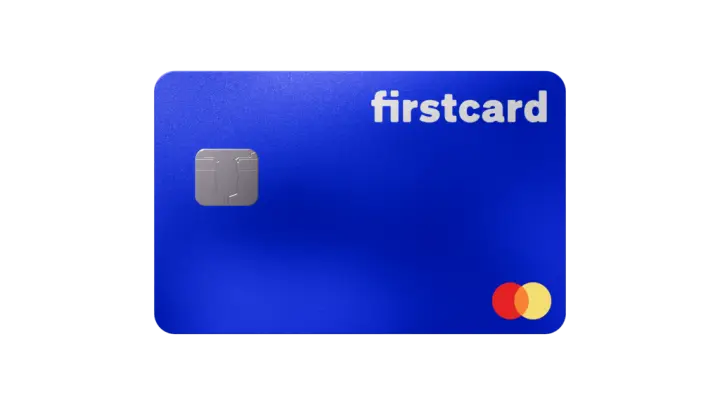 How to Apply for Firstcard Secured Credit Builder Card – A Step-by-Step Guide
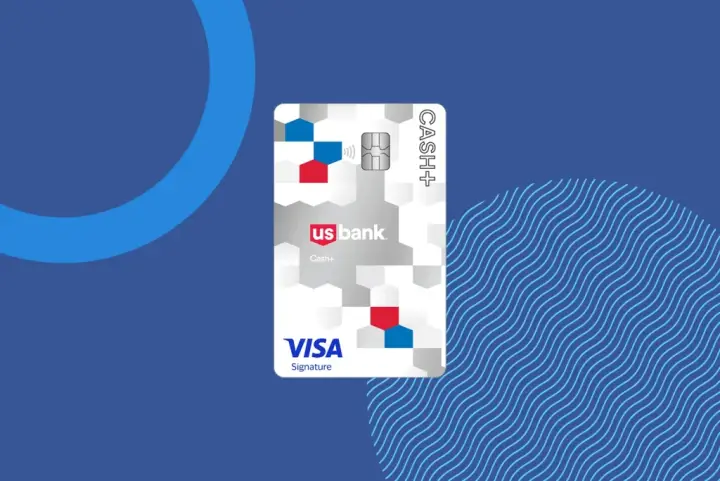 How to Apply for US Bank Cash Visa Signature Card Online
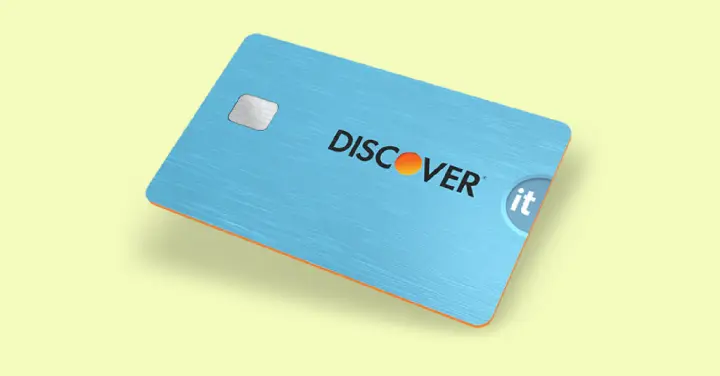 How to Apply for the Discover it Cash Back Credit Card Online
 How to Apply for Oportun Loan Quick Steps for Easy Approval